Cartomancy, the art of interpreting cards, blends intuition, symbolism, and chance. By studying patterns, readers uncover insights about personality, relationships, and future possibilities. This guide offers a clear path for beginners to explore techniques, ethics, and self‑growth mindful deeply practice!
1.1 What is Cartomancy?
Practice reader may begin with one‑card pull set the tone expand to three‑card spread examining past present future. Each card’s suit—hearts diamonds clubs spades—adds layers of emotional financial intellectual spiritual nuance. Honoring both imagery and intuition the seeker gains richer perspective that can inform decisions spark reflection offer a wonder Cartomancy differs from other divinatory practices in its reliance on the universal language of symbols found on ordinary cards. Each suit and number carries archetypal meanings that resonate with common human experiences. Readers often employ a combination of intuition and structured spreads to interpret the cards’ messages. The process typically begins with a clear question or intention, followed by shuffling to blend the seeker’s energy with the deck. Once the cards are drawn, the reader examines the positions, relationships, and symbolism of each card, translating them into insights that can guide decision‑making or personal growth. Many practitioners emphasize that cartomancy is not a deterministic forecast but a mirror that reflects the seeker’s current state and potential pathways. By engaging with the cards, individuals can gain clarity, uncover hidden patterns, and develop a deeper connection to their inner guidance. Whether used for quick daily guidance or in a more formal session, cartomancy offers a flexible, accessible tool for self‑exploration and empowerment. It invites curiosity, reflection, and a gentle dialogue with fate always.
1.2 Brief History of Card Divination
Card divination traces back to ancient civilizations where playing cards were first used as a form of entertainment and fortune telling. In the 14th century, the earliest known deck appeared in China, where players used numbered cards to predict outcomes. By the 15th century, the practice spread to Europe, evolving into the modern tarot deck in the 15th‑16th centuries. The tarot’s Major and Minor Arcana were adapted for divinatory purposes, with each card embodying symbolic archetypes. In the 18th and 19th centuries, the popularity of cartomancy grew alongside the rise of spiritualism; practitioners used playing cards to communicate with spirits and predict the future. The 20th century saw a resurgence of interest in cartomancy, with new decks and spreads emerging. Today, card reading is a global phenomenon, practiced by both seasoned professionals and casual enthusiasts, offering a versatile tool for self‑reflection and guidance. Over the centuries, card readers refined techniques, developing spreads that map relationships, career paths, and spiritual journeys. The symbolism of suits—hearts for emotion, diamonds for material, clubs for action, spades for intellect—offers a nuanced framework. Modern practitioners blend traditional methods with intuitive insights, creating personalized readings that resonate with contemporary seekers. The enduring appeal of cartomancy lies in its accessibility; anyone with a deck can explore the mysteries of chance and choice. They reflect inner truths, guiding choices with subtle insight, present daily
Choosing the Right Deck
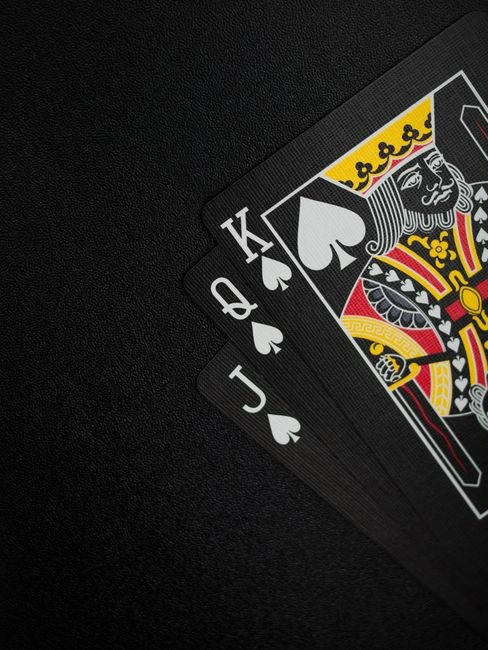
Selecting a deck starts with purpose. A classic 52‑card set offers quick, versatile readings, while a tarot deck provides rich symbolism and deeper archetypes. Specialty decks—oracle, Lenormand—serve niche questions. Trust intuition, test feel, and pick one that speaks to you. Choose wisely.
2.1 Standard Playing Card Decks
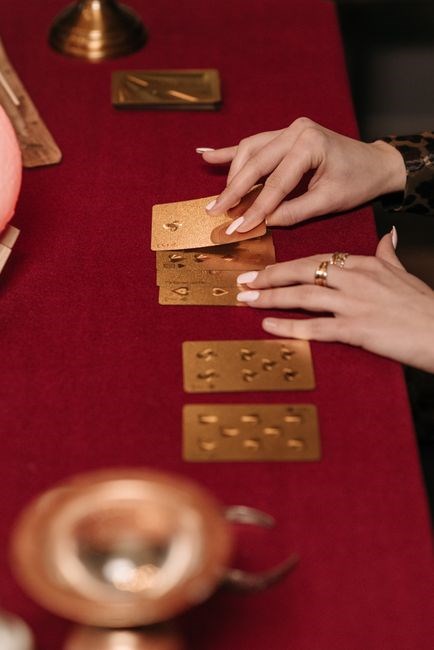
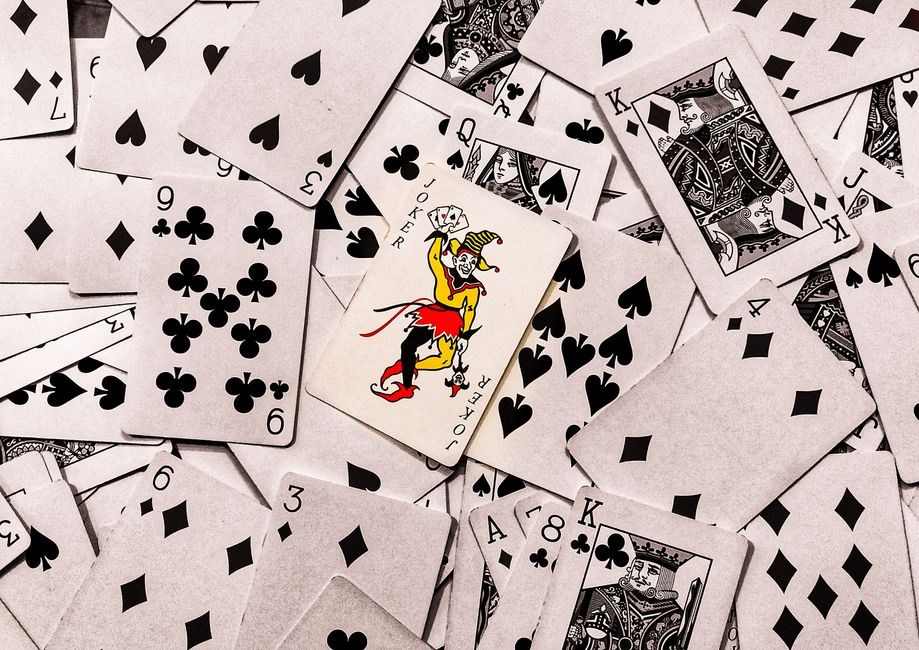
Standard playing cards, the most ubiquitous deck for cartomancy, consist of 52 numbered and face cards across four suits. Hearts represent love, diamonds wealth, clubs action, spades challenges. The numeric values (Ace through Ten) indicate stages or levels, while face cards (Jack, Queen, King) represent.
When selecting a deck for divination, consider the following criteria:
- Material quality: Sturdy cardstock or smooth plastic enhances tactile connection and tactile feedback.
- Design clarity: Clear numerals and suit symbols aid quick visual scanning and clarity.
- Artistic style: Traditional Victorian or modern minimalist designs influence reader’s aesthetic resonance and personal insight.
- Size and portability: Standard 2.5”×3.5” cards shuffle easily and portability.
- Special editions: Some decks feature additional joker cards or themed illustrations for collectors.
Beyond physical attributes, the deck’s energy matters. Cleanse cards by moonlight or sage before use. This ritual aligns vibration with intention, ensuring clearer readings. Keep the deck in a clean, dry place to maintain its energetic integrity.
Ultimately, the best deck is one that feels right in your hands and resonates with your intuitive sense. Practice with several options if possible, and observe which deck’s flow feels most natural during shuffling and spread execution.
2.2 Tarot Decks for Cartomancy
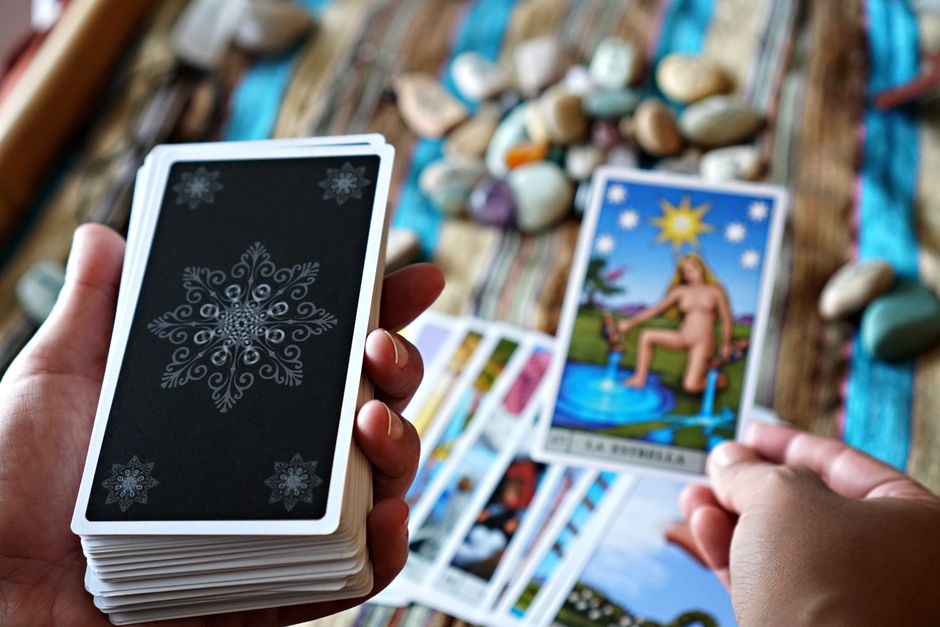
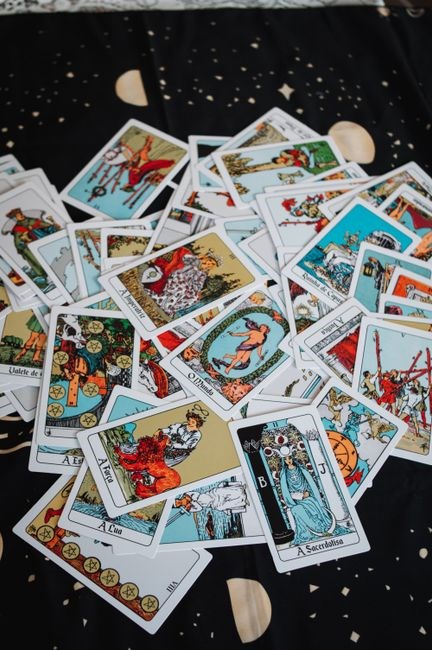
Tarot decks, traditionally 78 cards, are a staple for cartomancy. They combine the Minor Arcana—four suits of 14 cards each and the Major Arcana, 22 archetypal cards that reveal deeper life themes. The Minor Arcana’s suits (Wands, Cups, Swords, Pentacles) correspond to action, emotion, intellect, and material realms, while the Major Arcana’s cards (The Fool, The Magician, etc.) highlight pivotal moments or lessons.
Choosing a tarot deck involves more than aesthetics. Consider the following factors:
- Illustration style: Traditional, modern, or abstract designs influence the reader’s visual connection.
- Card symbolism: Rich, layered imagery can enhance intuitive interpretation.
- Material and finish: Matte, glossy, or textured surfaces affect tactile experience.
- Personal resonance: The deck should feel inviting and supportive of your intuitive flow.
Before the first spread, cleanse the deck with sage, moonlight, or a brief meditation. Store it in a clean, dry pouch to preserve its energy. With practice, tarot decks become powerful tools for insight, guidance, and self‑reflection.
Many readers find that the tactile feel of a well‑crafted tarot deck enhances the intuitive flow, allowing subtle energies to surface during spreads. Whether you favor classic Victorian illustrations or contemporary abstract art, the deck’s visual language should resonate with your personal style and support deeper self‑awareness!!
2.3 Specialty Decks and Their Uses
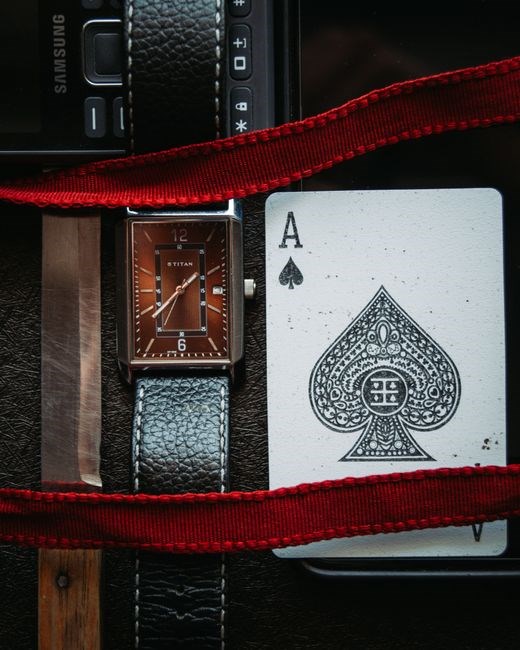
Specialty decks expand cartomancy by focusing on themes such as astrology, numerology, mythology, or animal symbolism. A zodiac deck aligns cards with planetary energies; a chakra deck maps spiritual centers to card meanings. These decks let readers tailor spreads to specific concerns—healing, career, relationships—providing nuanced guidance. and deepen insight for clarity today
Oracle decks, typically 30–60 cards without suits, offer clear, single-card messages and are ideal for quick, focused questions. Their simplicity makes them excellent teaching tools for beginners who may find tarot’s complex symbolism intimidating. Each card stands alone, allowing the reader to concentrate on its meaning without interpreting a broader spread. They also serve as excellent practice tools for refining intuition and sharpen focus today
Hybrid decks blend tarot structure with thematic elements, such as mythological figures or oracle cards, offering depth and flexibility. They can include additional cards that bridge gaps between traditional tarot archetypes, making them versatile for seasoned practitioners and novices alike. Such decks feature artwork that deepens image ties
When selecting a specialty deck, consider artwork, instruction clarity, and how well the theme aligns with your practice. A deck that feels authentic and resonates with your intuition can transform a routine reading into a profound, personalized experience. The right deck can become a companion on your journey
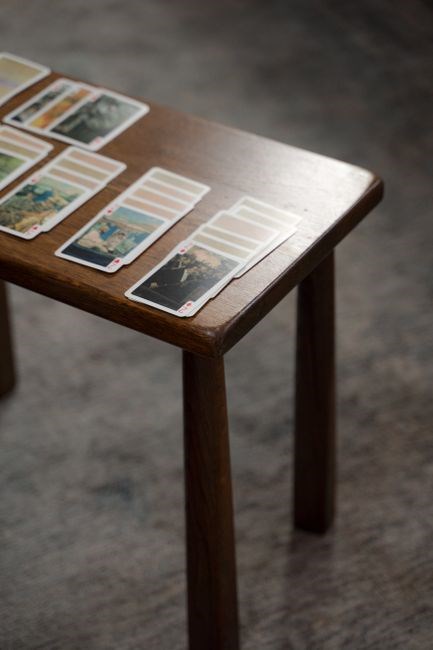
Preparing for a Reading
Before a session, set a calm space, light a candle, and play soft music. Shuffle cards with intent, focusing on the question. Ground yourself with a breath, then place the deck on a clean surface, ready to receive guidance. the deck’s rhythm, and let intuition guide every card’s reveal. Now!! Trust. Here
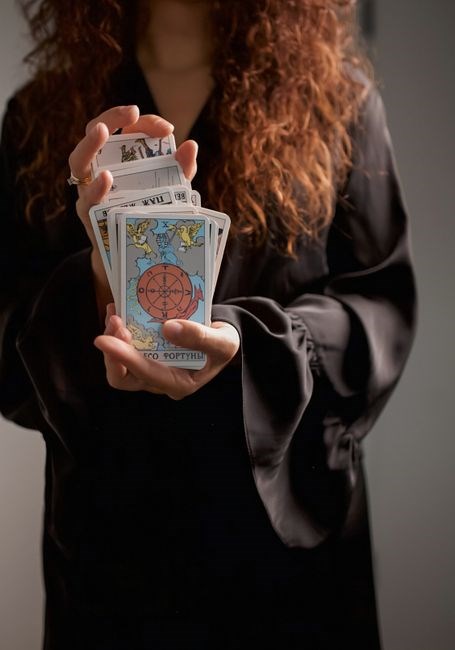
3.1 Setting the Environment
Begin by choosing a quiet, clutter‑free space where you feel safe and undisturbed. Turn off or silence electronic devices, and dim the lights or light a single candle to create a gentle, focused atmosphere. Place a clean, flat surface—such as a table or a dedicated altar—covered with a soft cloth or a small rug that feels comfortable to touch. If you wish, add a few crystals or meaningful objects that resonate with your intention, but keep the arrangement simple to avoid distractions.
Next, consider sound. Soft instrumental music or nature sounds can help settle the mind, but ensure the volume is low enough that you can still hear your own breathing and the subtle shuffle of cards. Some practitioners prefer silence, using a small bell or chime to mark the start of the session. The key is to establish a rhythm that feels natural to you.
Once the physical space is prepared, take a few moments to center yourself. Sit comfortably, close your eyes, and inhale slowly through the nose, exhaling through the mouth. Visualize a warm, protective light surrounding you, grounding your energy and inviting clarity. This brief meditation helps align your focus with the energy of the deck, setting the stage for a meaningful reading.
Feel the energy, and trust the process. Staycentered
As you begin the spread, keep your breathing steady. Visualize the cards as mirrors, reflecting your inner landscape. Trust that each card’s symbolism offers guidance, and remember that the reading is a dialogue between you and the universe.
3.2 Clearing and Centering the Deck
Before each session, cleanse the deck of residual energies. Hold the cards in both hands, close your eyes, and imagine a bright white light enveloping them. As you breathe out, visualize any lingering negativity dissolving into the light. Then, gently shuffle the deck, focusing on your intention. Place the deck on a clean surface, and if desired, sprinkle a few drops of essential oil, such as lavender or sandalwood, to reinforce calmness. Finally, affirm: “I release all that no longer serves me, and I invite clarity and insight.” Allow the deck to settle, feeling its energy harmonized with yours. This ritual primes the cards for accurate guidance and deepens your connection to the reading. Additionally, you may choose to use a small bowl of salt or a handful of dried sage to further cleanse the space. As you finish, thank the universe for its presence and ask for gentle guidance. When you are ready, begin the spread, trusting that the cleared deck will reflect your true path.
Remember that the act of clearing is not merely ritualistic; it is a dialogue with the unseen. As you shuffle, ask the deck to remember its purpose and to honor the questions you will pose. Visualize each card as a vessel of insight, ready to receive your intention. When you feel the deck’s energy settle, you can sense a subtle shift in the room—an invitation to trust the process and to listen to the quiet whispers that arise from the cards. Trust that the cleared deck will serve as a mirror, reflecting your inner truth and guiding you toward clarity gently.
Basic Spreads and Techniques
Explore simple layouts: a single card for clarity, a three‑card sequence revealing past, present, future, and a five‑card circle for holistic insight. Each spread offers a focused lens, inviting intuition while grounding interpretations in symbolic structure. Now; Ok.
4.1 The One-Card Pull
In a one‑card pull, the querent asks a concise question or seeks a single insight. The reader shuffles, focusing on the query, then draws one card. The card’s position—center, left, or right—can indicate immediate advice, hidden influence, or future direction. Interpretations rely on the card’s suit, number, and imagery. For example, a heart card might suggest emotional guidance, while a spade could warn of challenges. The reader should note any intuitive impressions that arise during the draw, as these often carry subtle nuances beyond the literal meaning. After the card is revealed, the querent reflects on how the message aligns with current circumstances, allowing the card to serve as a mirror for self‑awareness. Practicing regularly sharpens the ability to read subtle clues, and repeating the pull over time can reveal evolving patterns, offering a dynamic dialogue between the deck and the seeker. This simple yet powerful technique is ideal for quick decision‑making, daily reflection, or setting a focused intention before a larger spread.
Practitioners often use the one‑card pull as a daily anchor, drawing a card each morning to set intention or to gauge the energy of the day. The card can serve as a prompt for journaling, meditation, or a brief conversation with oneself. Over time, patterns emerge, revealing strengths, recurring themes or subtle shifts that guide growth and decision‑making. Such a practice invites mindfulness and curiosity becoming ritual which grounds the seeker.
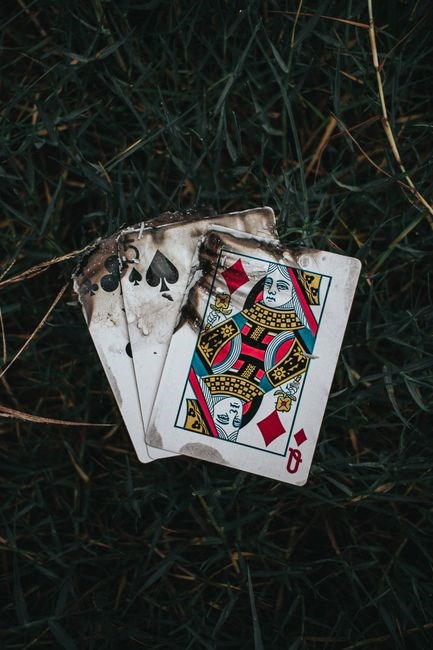
4.2 Three-Card Spread (Past, Present, Future)
The three‑card spread is a classic framework that invites the querent to explore a narrative arc: what has shaped the current situation, what influences, lessons, or energies that have led to the present moment. Begin by shuffling with a clear intention, then lay three cards from left to right. The leftmost card represents the past influence—events, lessons, or energies that have led to the present moment. The middle card reflects the current state, capturing the immediate dynamics, emotions, or decisions that define the present. The rightmost card projects future potential, offering guidance on outcomes, opportunities, or warnings that may unfold if current patterns continue. When interpreting, consider each card’s suit, number, and imagery, but also listen to intuitive impressions that surface during the spread. For example, a Queen of Hearts in the past might signal a nurturing influence, a Knight of Swords in the present could indicate urgency, and a Two of Pentacles in the future suggests balancing multiple priorities. The spread’s simplicity allows for quick insight, yet it can be deepened by asking follow‑up questions or exploring the interaction between the three positions. Practicing this spread repeatedly helps the reader recognize recurring themes and strengthens the ability to weave a coherent story from the deck’s symbols. By practicing this spread regularly, the reader develops deeper intuition, learns to see patterns across contexts, and gains confidence in navigating life’s uncertainties with clarity. !!!OK