The Baofeng UV‑5R owners manual serves as a concise guide for amateur radio enthusiasts, detailing setup, operation, and safety. It covers dual‑band VHF/UHF frequencies, CTCSS/DCS, dual‑watch, and USB programming, ensuring users navigate features confidently. It covers antenna setup and troubleshooting.
Manual Purpose and Audience
The Baofeng UV‑5R owners manual is designed to provide users—both novices and experienced amateur radio operators—with clear, step‑by‑step instructions for operating, maintaining, and troubleshooting the dual‑band VHF/UHF handheld transceiver. It explains how to set up the radio, program frequencies, use CTCSS/DCS sub‑tones, and employ dual‑watch and scanning functions. The manual also covers safety precautions, antenna installation, and battery care, ensuring compliance with FCC regulations. By following this guide, operators can maximize the device’s capabilities while maintaining reliable, lawful communication.
The guide targets hobbyists seeking to explore ham radio, emergency responders needing portable communication, and educators integrating radio technology into STEM curricula. It assumes basic electronics literacy but offers step‑by‑step visual aids, diagrams, and troubleshooting tips. Users learn to configure dual‑band operation, set up antenna mounts, and program memory channels. The manual also explains FCC licensing prerequisites, power‑management best practices, and safe handling of the device’s battery. By mastering these fundamentals, operators can confidently engage in local nets, participate in contests, or support community outreach initiatives;
Additionally, the manual covers troubleshooting for antenna mismatch, battery drain, and firmware updates, emphasizing safe practices like grounding and frequency limits. Users learn emergency protocols, ensuring readiness for communications !
Legal and Compliance Disclaimer
The Baofeng UV‑5R operates within the FCC’s Part 95 and Part 97 amateur radio regulations. Users must hold a valid amateur radio license for frequencies above 30 MHz and adhere to power limits of 5 W ERP. The device is compliant with FCC Part 15 for 144‑148 MHz and 400‑520 MHz bands, and with CE, IC, and RCM standards for international markets. The manufacturer disclaims liability for misuse, including operation on restricted channels, emergency frequencies, or in violation of local laws. Operators are responsible for ensuring that antenna installation, power output, and frequency selection comply with all applicable regulations. The manual does not replace official licensing requirements; it merely provides operational guidance. Users should consult their national regulatory authority before transmitting. The UV‑5R is intended for amateur use; commercial or public‑service use requires separate licensing. The manufacturer reserves the right to modify firmware or hardware specifications without prior notice. By using this device, you acknowledge that you have read, understood, and agree to comply with all relevant legal and regulatory provisions. Failure to comply may result in fines, equipment seizure, or revocation of license. The manufacturer is not liable for any damages arising from non‑compliance or improper use of the radio. This disclaimer is governed by the laws of the jurisdiction in which the device is sold. Operators must also verify that any antenna or accessory complies with local safety standards and does not exceed themax gain
Unboxing & Hardware Overview
The UV‑5R package contains the radio, a 1.5‑m antenna, a 12‑V battery, charger, USB cable, and user manual. The device features a 2.4‑inch color display, dual‑band VHF/UHF capability, and a detachable belt clip for portability. The radio’s design makes it ideal!!!
Box Contents and Accessories
Inside the sealed UV‑5R package you’ll find the radio itself, a 1.5‑meter detachable antenna, a 12‑V Li‑ion battery, a USB charging cable, a quick‑start guide, and a small instruction booklet. The battery is pre‑charged to about 50 % and can be swapped for a fresh one in seconds. The USB cable doubles as a data link for firmware updates and programming via the PC. The antenna is a standard 5‑inch whip with a 3‑pin connector that plugs into the radio’s rear port; it can be replaced by a longer or higher‑gain model if desired. The quick‑start guide offers a concise overview of key functions, while the instruction booklet expands on advanced features such as dual‑watch, CTCSS/DCS, and scanning. All items are packaged in a protective foam insert that keeps the radio and accessories from shifting during transport. The box also includes a small plastic pouch that holds the USB cable and a spare battery, making it convenient to carry the entire kit in a backpack or tool bag. The packaging is designed to be lightweight yet sturdy, ensuring that the radio arrives in pristine condition. The UV‑5R’s compact size and rugged construction make it ideal for field use, emergency preparedness, or hobbyist experimentation. By carefully unpacking each component, you can verify that every item is present and undamaged before proceeding to the next step of the setup process. ensures optimal performance and protects the device during initial use. Keep antenna angled upward for reception!!!
Radio Physical Layout and Power/Antenna Setup
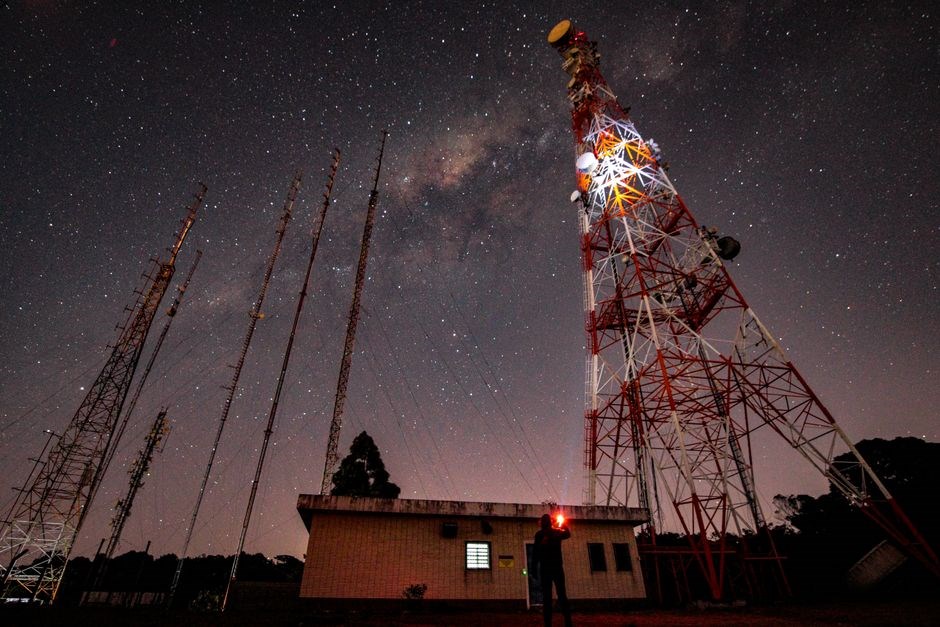
The Baofeng UV‑5R is a compact dual‑band handheld transceiver that measures 9.5 cm × 4.5 cm × 2.5 cm and weighs 240 g. Its front panel hosts a 2.4‑inch color display, a large “VFO” button, a “MENU” button, a “VOLUME” knob, and a “POWER” switch. The side panel contains a 5‑digit keypad for frequency entry, a “CH” button for channel selection, a “TONE” button for CTCSS/DCS, and a “S‑BAND” toggle for VHF/UHF mode. The rear panel features a 3‑pin antenna connector, a 5‑pin USB port for charging and programming, and a 12‑V DC input jack. To power the radio, insert the supplied Li‑ion battery into the battery compartment; the battery is secured by a spring‑loaded latch. Alternatively, connect a 12‑V DC adapter to the rear jack. The antenna is a 5‑inch whip with a 3‑pin connector; attach it to the rear port and tighten the lock ring. For optimal reception, position the antenna vertically and avoid metal objects nearby. The radio’s power consumption is 1.5 W on VHF and 1.4 W on UHF; the battery lasts approximately 4–5 hours at full power. The USB port also allows firmware updates via the Baofeng programming software. Ensure the antenna is fully extended before transmitting to prevent damage to the radio’s internal circuitry. The UV‑5R’s ergonomic design includes a rubberized grip and a detachable belt clip for portability. Dual‑watch mode lets you monitor two frequencies simultaneously. Proper power and antenna setup are essential for reliable operation in both amateur and emergency communication scenarios.
Basic Operation
Power the UV‑5R by pressing the POWER button, then enter a frequency using the keypad. The VFO allows tuning, while the CH button selects channels. Use the knob for audio, VHF, UHF. The display shows frequency, mode, and battery status. flexibility! Enjoy!! OK!
Powering On and Initial Frequency Setup
To begin using the Baofeng UV‑5R, ensure the battery is fully charged and the antenna is securely attached. Turn the radio on by holding the POWER button for about two seconds until the display lights up and the VFO mode appears. The default frequency is set to 144.000 MHz in VHF mode. If you wish to start on a different band, press the BAND button to toggle between VHF and UHF. Once the desired band is selected, you can manually enter a frequency by pressing the keypad digits. The radio accepts a 6‑digit frequency input; for example, to set 147.520 MHz, type 147520 and press the ENTER key. The display will confirm the frequency and lock it in VFO mode. If you prefer to use preset channels, press the CH button to cycle through the 100 available channels. Each channel stores a specific frequency and its associated CTCSS tone. To program a new channel, first select an empty channel slot by pressing the CH button and then enter the desired frequency and tone using the keypad and tone selection wheel. After entering the data, press the MENU key and navigate to the “Save” option to lock the channel. The radio’s LED indicator will flash green when a channel is successfully saved. For quick access, the “Quick‑Set” feature allows you to jump to a channel by pressing the corresponding number key on the keypad. Keep in mind that the UV‑5R’s maximum transmit power is 5 W in VHF and 4 W in UHF, and the device is compliant with FCC Part 15 regulations. Always verify that frequency is within limits athe region before transmitting.
Channel Selection, Frequency Input, and Audio Controls
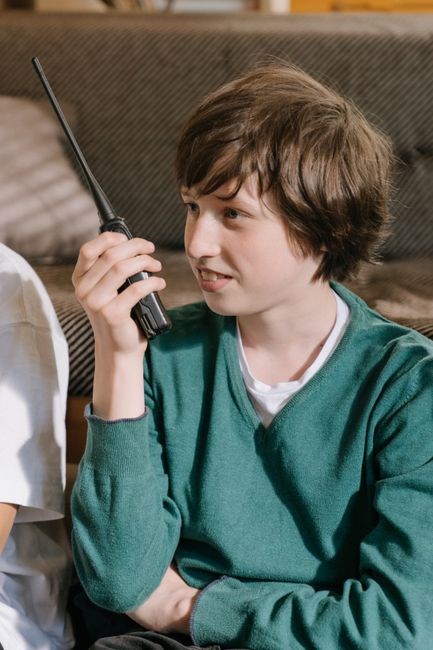
When operating the Baofeng UV‑5R, channel selection is performed by pressing the CH button, which cycles through the 100 available preset slots. Each slot can store a specific frequency and its associated CTCSS or DCS tone. To assign a frequency to a channel, first select an empty slot, then enter the desired frequency using the numeric keypad. For instance, to set 146.520 MHz, type 146520 and press ENTER. The display will confirm the entry, and the channel will be saved automatically when you press MENU and choose Save. You can also use the + and – buttons to fine‑tune the frequency in 0.1 kHz steps.
Audio controls are accessed via the MENU key. Navigate to the Audio submenu to adjust the speaker volume, which ranges from 0 to 10, and to set the Mute function. The VOX feature can be enabled to transmit automatically when your voice exceeds the set threshold. Additionally, the Audio Gain setting allows you to increase the input sensitivity for microphones or external audio sources. The radio also supports a Headset mode, which can be activated by connecting a 3.5 mm jack and selecting the appropriate option in the menu. This mode reduces the speaker volume and directs audio to the headset, providing a quieter operation in noisy environments. Remember to keep the audio settings within comfortable levels to prevent hearing fatigue during extended use.
Signal Display and LED Indicators
The Baofeng UV‑5R features a clear 2‑line LCD that shows the current frequency, channel number, and mode. The upper line displays the frequency in MHz, while the lower line indicates the mode (FM, AM, or CW) and the channel ID. When the radio is in receive mode, the display also shows the signal strength as a series of bars, ranging from 0 to 5. The bars provide a quick visual cue for signal quality, allowing operators to adjust antenna position or switch to a stronger frequency. In transmit mode, the display shows the transmit frequency and the active CTCSS or DCS tone, if any. The LED indicators provide additional status information: the green LED lights when the radio is powered on and the antenna is connected; the orange LED indicates a low battery or that the radio is in standby; the red LED flashes during a scan or when a tone is being transmitted. The power button also doubles as a mute toggle, with a brief press turning the speaker on or off. By monitoring the LCD and LEDs together, users can quickly assess signal quality, power status, and mode without needing to reference the manual. The display also shows the current battery level as a series of bars, and the LED indicators provide quick visual cues for power status, signal strength, and mode changes. Users can customize the display brightness via the MENU, ensuring readability in various lighting conditions. Additionally, the LED indicators flash during scanning, and the green LED remains steady when the radio is active. The combination of the LCD display and LED indicators allows operators to monitor multiple parameters simultaneously without external tools; When the radio is set to dual‑watch, the LED will flash in a distinct pattern to indicate the active band, while the LCD updates the other band’s frequency in real time. When the radio is set to dual‑watch mode, the LED flashes a pattern for the active band, while the LCD shows the other band’s frequency in real time;
Advanced Features
The UV‑5R offers advanced functions such as CTCSS/DCS filtering, dual‑watch, scanning, and USB programming. Users can set custom tones, lock channels, and program via a PC interface, enhancing versatility for amateur radio operations. It offers programmable memory, dual‑watch, and tone lock for use.!!
CTCSS/DCS, Scanning, Dual Watch, and USB Programming

Baofeng UV‑5R’s advanced features give operators precise control. CTCSS and DCS allow setting a sub‑audible tone or digital code that must be present before the radio demodulates a transmission, reducing chatter on crowded bands. Users can choose from standard CTCSS frequencies (e.g., 67.0 Hz, 88.5 Hz, 123.0 Hz) or enter a custom tone, and select a DCS code from a 256‑code table. The “TONE” button toggles tone lock, and the “TONE LOCK” indicator confirms the setting. Scanning is done by pressing “SCAN”, cycling through all programmed channels; the display shows channel number, frequency, and scan status; Dual‑watch mode is enabled with “WATCH”, monitoring two channels simultaneously; the LED flashes when a transmission is detected on either channel. USB programming lets users transfer memory banks, tone settings, and firmware between the radio and a PC. Using the Baofeng USB software, users can edit channel data, change CTCSS/DCS settings, and flash new firmware. The interface lists memory slots with fields for frequency, name, tone, and other parameters, and supports CSV import/export for easy backup or sharing. These features provide fine‑grained control for reliable operation in hobby or emergency use.
Additionally, the UV‑5R supports firmware updates that unlock new features such as improved signal-to-noise ratio and extended battery life. Users should verify firmware versions before programming to avoid incompatibilities. The manual provides a guide for safe updates.
Safety Precautions and Frequency Limits
Baofeng UV‑5R operates on VHF (136‑174 MHz) and UHF (400‑520 MHz) bands. Operators must adhere to local regulatory limits, typically 144‑148 MHz for VHF and 430‑440 MHz for UHF in many regions. Transmitting above the authorized band or at power levels exceeding the device’s 5 W maximum can result in fines or equipment seizure. Always verify the FCC or ITU licensing requirements before use. The radio’s power selector allows 5 W, 2 W, 1 W, 0.5 W, and 0.1 W; higher outputs should be used only for short‑range or emergency scenarios to avoid interference.
Safety precautions include:
- Never point the antenna toward sky or the person’s head; direct the antenna toward target area
- Use a rated antenna and avoid damaged or mismatched connectors
- Do not operate the radio while driving or in hazardous environments
- Keep the battery charged with a compatible charger; avoid overcharging or short‑circuiting
- Follow the manufacturer’s instructions for antenna installation and grounding
- Check for local restrictions on CTCSS/DCS usage; some networks prohibit certain tones
- Use the “SCAN” and “WATCH” functions responsibly to prevent accidental interference with licensed services
Always read the full legal disclaimer and obtain the necessary license before operating the UV‑5R. The manual recommends local authorities for specific frequency allocations and power limits applicable to your jurisdiction.